Free lead line replacement in Philadelphia: the pilot ZIP codes and what "fall 2026" means for you
The Philadelphia Water Department is replacing lead and galvanized water service lines for free in ten North and West Philadelphia ZIP codes. Work starts in fall 2026. The catch is that not every home in those ZIPs qualifies, and you have to be on PWD's notification list. Here's what to check first, how to apply, what it costs if you don't qualify, and what to do today to keep your tap water safe while you wait.
Verified Oct 7, 2026 7 min read 5 sources
On this page
- What the program is, in plain words
- Is your home in a pilot ZIP code?
- The three eligibility requirements (all three must be true)
- What "fall 2026" actually means
- Watch the video
- What if you're a renter?
- What it costs if you don't qualify for the pilot
- Two other PWD paths that could replace your line at no charge
- Why PWD is doing this, and the federal rule behind it
- Is your tap water safe right now?
- How to check your own service line material
- What to ask a plumber, and what a good answer sounds like
- Contacts at PWD
- Sources
What the program is, in plain words
Your service line is the pipe from the city's water main in the street to your water meter inside the house. In Philadelphia, that pipe is the homeowner's responsibility, not the city's. Older homes may have a service line made of lead or galvanized metal. Lead was used in service lines before the 1950s. Galvanized pipes can pick up lead from the plumbing over decades.
The PWD pilot uses federal funding to replace those service lines at no cost to the property owner. PWD hires the licensed plumber, schedules the work, and pays the bill. If your home qualifies, your out-of-pocket cost is zero.
Is your home in a pilot ZIP code?
The pilot is in these ten ZIPs:
- 19133 (East Kensington)
- 19134 (Port Richmond)
- 19140 (Hunting Park)
- 19104 (University City)
- 19131 (Wynnefield)
- 19139 (West Philadelphia / Cobbs Creek)
- 19142 (Southwest Philadelphia)
- 19143 (Cobbs Creek / Eastwick west)
- 19151 (Overbrook)
- 19153 (Eastwick)
PWD chose these areas for their high concentrations of lead and galvanized service lines. If you're outside these ZIPs, the pilot does not apply to you today. PWD also says properties on streets with planned water main construction will have their lead or galvanized service line replaced for free during the construction, regardless of ZIP.
The three eligibility requirements (all three must be true)
Even inside a pilot ZIP, not every property automatically qualifies. You must meet all three:
- Confirmed lead or galvanized service line. Check the PWD map, or use a lead test kit at your meter. A licensed plumber can also inspect.
- Property is in one of the ten ZIPs above.
- The property owner received a letter and/or email from PWD about the Pilot.
If any one of these is missing, the pilot won't cover your replacement today.
What "fall 2026" actually means
PWD is taking sign-ups now through a pre-application form on the pilot page. Here's the rough timeline once you submit:
Watch: Water Service Line Replacement: What to Expect
A 4-minute walk-through from a Pennsylvania city water authority showing what homeowners see on the day of a lead service line replacement: digging at the curb, shutting water off, restoring the sidewalk.
Video: Water Service Line Replacement: What to Expect — Pittsburgh Water.
Context and limits: From Pittsburgh, not Philadelphia; PWD's pilot process is similar but the local notification letter and pilot ZIPs apply only to Philadelphia. Pittsburgh Water does not speak for PWD.
- PWD confirms your eligibility.
- PWD schedules a property assessment.
- A licensed plumber (contracted by PWD) replaces your service line.
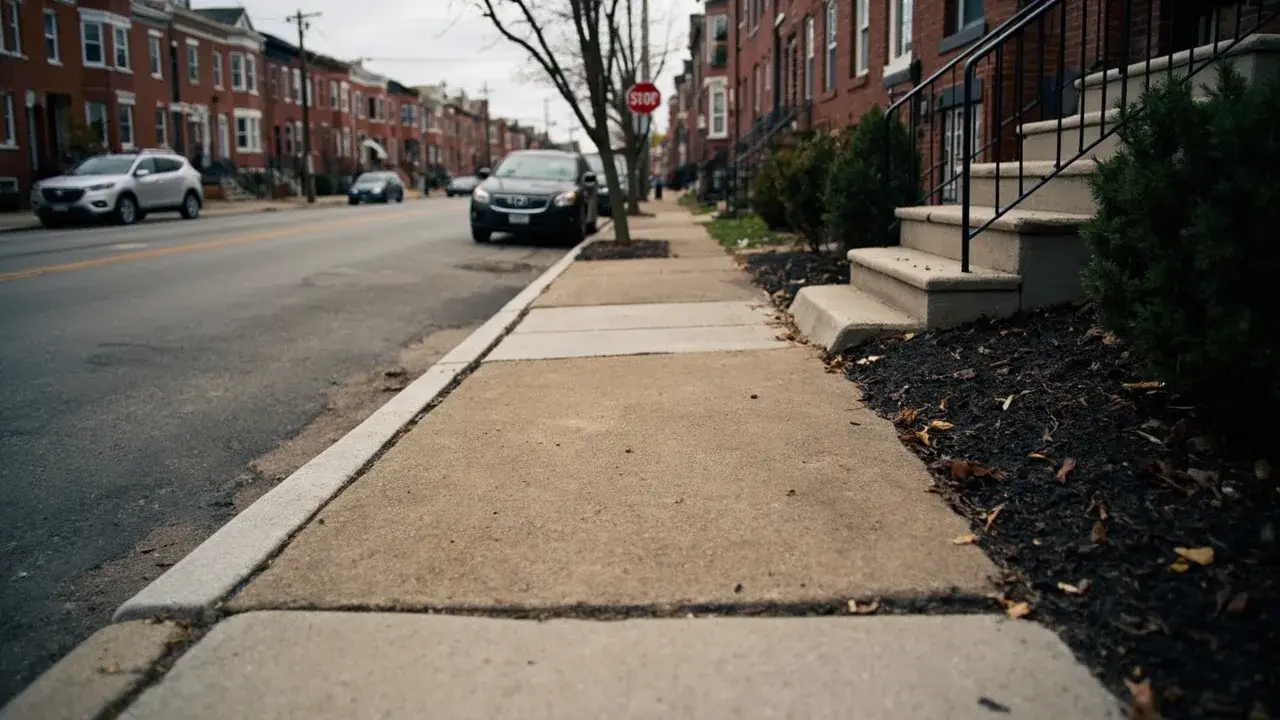
- PWD restores any sidewalk or grass disturbed by the dig.
The replacement itself takes 4 to 6 hours. Your water will be turned off during the work. You'll need to be home so the crew can reach your meter.
PWD says the pilot is "rolling out in phases" and "space is limited." Don't wait to apply if you think you qualify.
What if you're a renter?
PWD needs the owner's written permission to replace the line. As a renter, you fill out the pre-application form. That submission triggers an email to the property owner with a permission form link. PWD asks tenants to please tell the owner about the pilot and ask them to sign up. If you don't qualify as a homeowner for the pilot (and your landlord won't act), tell your landlord. Tenants cannot authorize this work themselves.
What it costs if you don't qualify for the pilot
Outside the pilot, a private plumber quote typically runs $3,000 to $12,000. The price moves with the distance from your meter to the water main. It also moves with line depth and any paving work.
If you don't have that cash on hand, PWD's Homeowner Emergency Loan Program (HELP) offers a zero-interest loan paid back over 60 months (5 years). To qualify:
- The property must be a residential home with 1 to 4 units.
- Your PWD water bill must be current (no more than 2 billing cycles behind, and on a payment plan with the Water Revenue Bureau if behind).
- You must have an operable water meter.
Call (215) 685-4901 to ask for a HELP loan application. Check PWD's lead-line replacement page for the current application options.
Two other PWD paths that could replace your line at no charge
- Service Line Verification Program. PWD is digging to verify service line materials at a few hundred randomly selected properties across the city. If PWD finds lead or galvanized metal, they replace your line for free. The verification window is summer and fall 2026. Participation is by invitation only. Only properties that received a letter or email are eligible.
- Free replacement during planned water main work. When PWD replaces the water main on your block, they will offer to replace any lead service line from the main to your meter at no cost. PWD notifies residents by letter several months before work starts.
These are separate from the ten-ZIP pilot but worth knowing.
Why PWD is doing this, and the federal rule behind it
In October 2024, the U.S. Environmental Protection Agency finalized the Lead and Copper Rule Improvements (LCRI). The rule requires drinking water systems to identify and replace all lead service lines within 10 years. Philadelphia's pilot, verification program, and free-replacement-during-main-work efforts are the city's first steps toward meeting that mandate. EPA estimates the public-health benefits are up to 13 times the costs.
Is your tap water safe right now?
Yes. Lead in Philadelphia's drinking water comes from a property's own plumbing. It does not come from PWD's water sources, treatment plants, or mains. PWD has added zinc orthophosphate at the treatment plant for over 25 years. This corrosion control forms a protective coating inside pipes. It keeps more than 90% of Philadelphia homes below the EPA action level of 15 parts per billion.
If you have or might have lead plumbing, take these daily steps:
- Flush your tap for 30 seconds to 2 minutes when water has sat for 6 or more hours.
- Use only cold water for drinking, cooking, and baby formula. Hot water dissolves more lead.
- Use a filter certified by NSF for lead reduction. Follow the manufacturer's instructions.
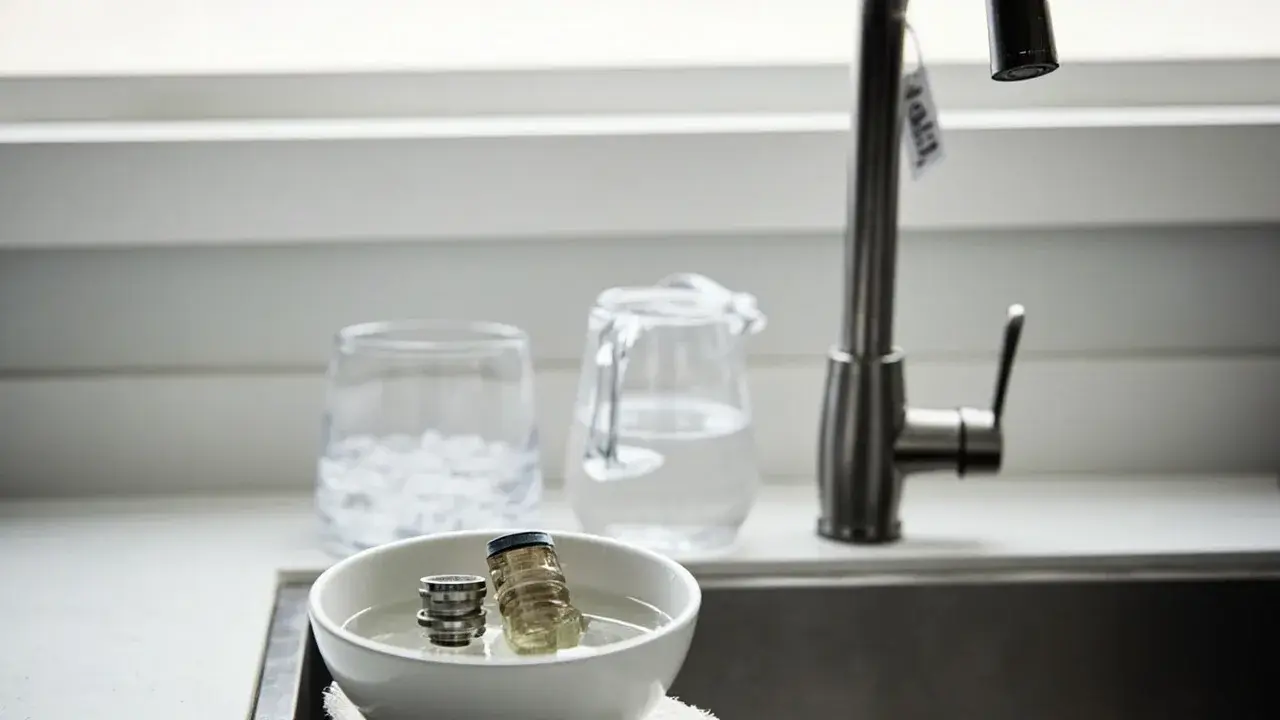
- Clean your faucet aerators every few months by soaking them in vinegar and scrubbing with an old toothbrush.
- Don't boil water to remove lead. Boiling concentrates lead rather than removing it.
How to check your own service line material
- Use PWD's Service Line Material Map at water.phila.gov/service-line. Look up your address. The map shows Non-lead, Lead, Galvanized, or Incomplete Records. PWD treats "Incomplete Records" as lead for your safety.
- The map is built from historical records, field inspections, permits, and meter-upgrade tests. PWD checks two points on the line before calling it "non-lead."
- If you've had work done or you've checked the line yourself, you can submit a correction to PWD's form on the map page.
- A hardware-store lead test kit (EPA-recognized) tells you the material at the meter but not the buried section. For the buried section, hire a licensed plumber.
What to ask a plumber, and what a good answer sounds like
If the pilot doesn't apply to you and you're hiring privately (or using HELP), call a licensed and insured plumber. Don't hire an unlicensed contractor. Service line work in Philadelphia is licensed plumbing.
Ask: "Have you replaced a lead or galvanized water service line in Philadelphia before?" A good answer names specific blocks or ZIPs they've worked in. It also names how many service lines they replaced in the last year.
Ask: "Will you pull the Philadelphia L&I plumbing permit for this work?" Service line replacement in the public right-of-way needs a permit. A licensed plumber pulls the permit. PWD inspects the work. A good answer says yes, and adds that PWD inspects the connection to the main. If the plumber says no permit is needed, find another plumber.
Ask: "Will the new line be copper or PEX, and why?" A good answer explains the choice in plain English. Copper is the Philadelphia default for service lines. PEX may be used depending on the run. A bad answer says "we always use the cheapest thing" or "I don't know."
Ask: "What does your written quote include?" Get the quote in writing. It should cover sidewalk restoration, the water main tap, and the meter reconnection. A good answer breaks out the line items. PWD uses a separate crew for concrete, with at least 30 days for soil to settle before paving. A bad answer is a single round number with no detail.
Ask: "How will you keep my water off, and for how long?" A good answer says the water will be off for the replacement day. It typically runs 4 to 6 hours, with a morning-of notice. If they can't tell you how long, they haven't done this work.
Ask: "Will you coordinate the PWD inspection and the meter reconnection?" A good answer says yes, and adds that they don't consider the work complete until PWD signs off. If they say "you call PWD yourself," find another plumber.
Contacts at PWD
- Pilot program questions: [email protected], (215) 683-8825.
- Service Line Material Map questions or corrections: [email protected], (215) 685-6300.
- HELP loan applications: (215) 685-4901.
- Free water quality testing on request: water.phila.gov/lead/request-testing.